
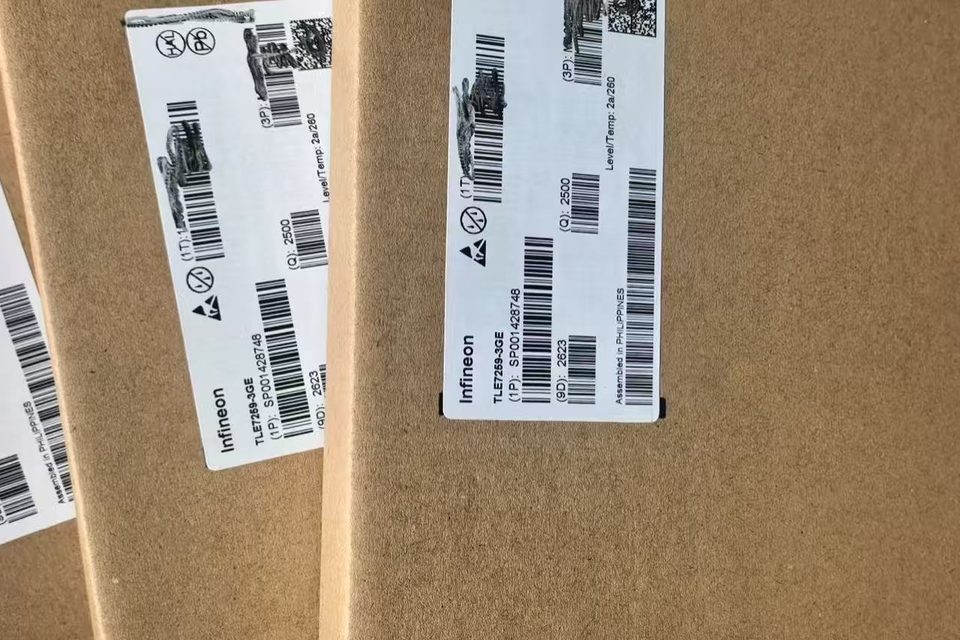
Which Idle Chips Can Be Recycled
Idle chips typically refer to integrated circuits stored in warehouses that have not been used in production due to adjustments in production plans, order cancellations, or product iterations. Common categories for recycling include:
- Microcontrollers (MCU), processors, and FPGAs
- Memory chips (Flash, DRAM, SRAM, etc.)
- Power management ICs and driver chips
- Communication interface chips and RF devices
- Analog chips, operational amplifiers, and logic devices
Whether they are unopened reels of tape-and-reel materials or loose tube/tray-packed chips, as long as they are unsoldered and unused, they fall within the scope of recycling.
Evaluation Focus
When processing idle chips, we primarily focus on the following factors that directly affect material circulation:
- Model and Brand: The original manufacturer brand and specific model determine the chip's market liquidity. General-purpose chips for mainstream applications are easier to match with demand.
- Date Code: The year of manufacture is an important reference. Chips stored for too long may face risks of pin oxidation, and some end customers have strict limitations on Date Codes.
- Packaging Status: Whether the original packaging is intact, if vacuum moisture barrier bags are leaking, and if humidity indicator cards have changed color. Unopened original manufacturer packaging better proves the storage conditions of the materials.
- Quantity: Full reels or batches reaching a certain quantity are easier to process than scattered remainders.
Processing Procedure
If you are preparing to clear this part of your inventory, it is recommended to follow these steps:
- Prepare a list including brand, complete model number, quantity, date code, and packaging status.
- Send the list to Kelian Components for preliminary verification.
- We will provide feedback based on current market supply and demand and discuss subsequent handover methods.
Providing accurate and complete list information helps accelerate the evaluation process and reduces time costs associated with repeated confirmations.