
Recovery of Excess Electronic Component Inventory
In electronics manufacturing and distribution, project changes, order cancellations, or overstocking often result in excess component inventory. These materials occupy warehouse space for long periods and face depreciation risks due to oxidation, moisture absorption, or technological obsolescence over time. Timely disposal of these assets is practically beneficial for corporate cash flow and warehouse management.
Scope of Recoverable Materials
We primarily evaluate and recover the following types of excess electronic components:
- Integrated Circuits (IC): MCU, FPGA, power management chips, memory chips, logic devices, etc.
- Passive Components: SMD capacitors, resistors, inductors, crystal oscillators, etc., whether in full reels or loose stock.
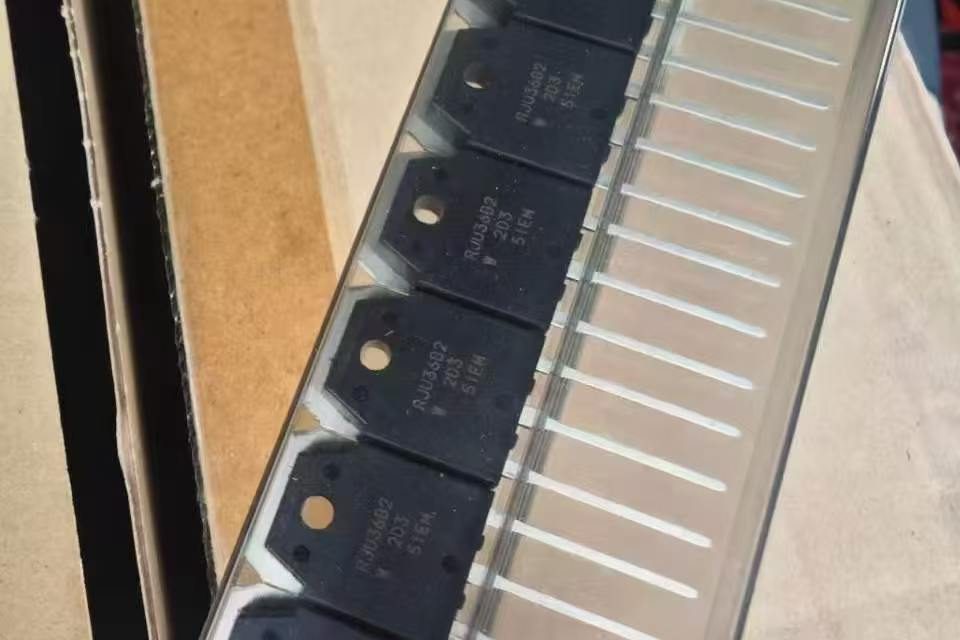
- Discrete Devices: MOSFETs, diodes, transistors, IGBT modules, etc.
- Connectors and Electromechanical Components: Board-to-board connectors, FPC/FFC, relays, switches, etc.
- Others: Sensors, optoelectronic devices, LEDs, and some discontinued or niche materials.
Whether it is unopened original factory sealed reels or unpacked but well-preserved loose stock, you can submit a list for evaluation.
Evaluation and Processing Workflow
The core of inventory recovery lies in accurately verifying material status. The process typically follows these steps:
- Submit List: Provide a BOM or Excel list including brand, part number, quantity, date code, and packaging condition (e.g., tape & reel, tray, tube).
- Preliminary Calculation: Conduct an initial valuation based on current market supply and demand, material universality, and age.
- Physical Verification: For large batches, physical inspection of appearance and label information may be required. If necessary, sample testing will be conducted to confirm that pins are not oxidized and vacuum packaging is intact.
- Quotation and Transaction: After both parties confirm the final price, logistics for pickup or delivery are arranged to complete the transaction.
Key Factors Affecting Recovery Value
Inventory prices vary significantly depending on the condition, even for the same part number. Procurement and warehouse staff should focus on the following points when preparing lists:
- Date Code (D/C): Materials produced within the last two to three years have better liquidity; for inventory older than five years, reliability needs re-evaluation, especially for humidity-sensitive devices.
- Packaging Integrity: Materials kept in original factory Moisture Barrier Bags (MBB) with unchanged humidity indicator cards are more readily accepted by the downstream market.
- Brand and Universality: Demand for common parts from mainstream brands like TI, ST, NXP, Murata, and Yageo remains relatively stable, whereas highly customized ASICs have a narrower audience.
- Environmental Compliance: Lead-free materials compliant with RoHS standards have broader applicability in the current market.
If you have idle electronic components to dispose of, please send your detailed list to Kelian Components. We will assign a dedicated contact person to provide practical evaluation feedback.