
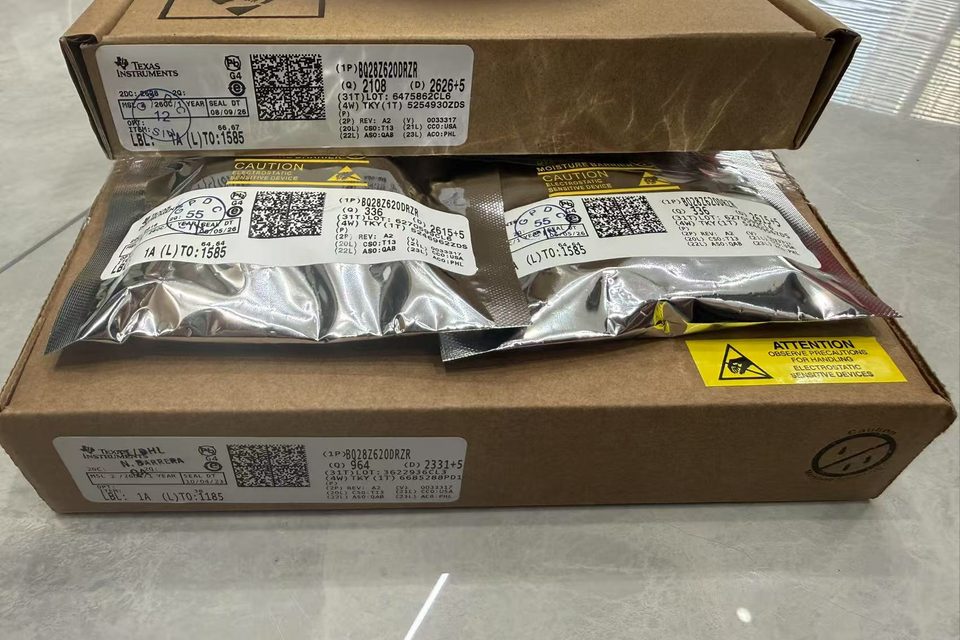
When Surplus Stock Starts Taking Up Space
Production forecasts change, orders get canceled, and engineering revisions leave warehouses full of parts that no longer fit the bill. Excess electronic inventory ties up capital and consumes valuable storage space. Rather than letting these components sit idle or face eventual disposal, businesses can recover value by redirecting surplus stock back into the active supply chain.
What We Look at When Evaluating Your Parts
Not all surplus inventory holds the same market value. The assessment process focuses on specific details that determine whether components can be effectively recovered and resold:
- Part Numbers and Manufacturers: Identifying the exact manufacturer part number (MPN) and original equipment manufacturer (OEM) is the first step in matching surplus stock with current market demand.
- Date Codes: Newer date codes generally have broader applicability. Older stock is still evaluated, but its placement depends on ongoing demand for legacy systems or specific repair markets.
- Packaging Integrity: Components in original, unopened packaging—such as sealed tape and reel, tubes, or trays—are easier to verify and place compared to loose or repackaged items.
- Quantity: Both large-volume overruns and smaller batches of specialized components are reviewed to find appropriate channels.
Types of Components Commonly Recovered
Excess inventory spans nearly every category of electronic components. Typical submissions include:
- Integrated circuits (ICs), microcontrollers, FPGAs, and memory modules
- Passive components such as multilayer ceramic capacitors (MLCCs), resistors, and inductors
- Discrete semiconductors including MOSFETs, diodes, and transistors
- Connectors, relays, switches, and electromechanical hardware
- Power management ICs and voltage regulators
How the Process Works
The goal is to make the recovery process straightforward for procurement and inventory managers who already have enough on their plates.
- Submit Your List: Provide a detailed inventory list containing manufacturer part numbers, quantities, date codes, and any relevant notes on packaging condition.
- Review and Assessment: Kelian Components reviews the submitted data against current market conditions and supply chain needs to evaluate the stock.
- Feedback: You receive clear feedback regarding which parts are viable for recovery based on the provided information.
- Logistics: Once terms are agreed upon, arrangements are made for the physical transfer of the inventory.
A Practical Approach to Clearing the Shelves
Managing excess electronic inventory requires a practical approach focused on accurate data and realistic evaluations. By providing precise part numbers, date codes, and packaging details, inventory managers can efficiently determine the best path forward for their surplus stock, freeing up warehouse space and addressing dormant assets responsibly.