
What happens when your shelves hold more than you need
Production forecasts change, orders get canceled, and engineering revisions leave warehouses full of parts that no longer fit the bill. Excess electronic component inventory ties up capital and consumes valuable storage space. Rather than letting these materials age out or face disposal, many manufacturers and distributors look for a structured way to recover value from their overstock.
The types of surplus stock we evaluate
Not every leftover bin holds the same potential. We review excess inventory across a broad range of categories to see what can be redirected back into the supply chain:
- Integrated circuits (microcontrollers, FPGAs, power management ICs, logic chips)
- Passive components (MLCCs, resistors, inductors, tantalum capacitors)
- Discrete semiconductors (MOSFETs, diodes, IGBTs, transistors)
- Connectors, relays, and electromechanical switches
- Memory modules and flash storage devices
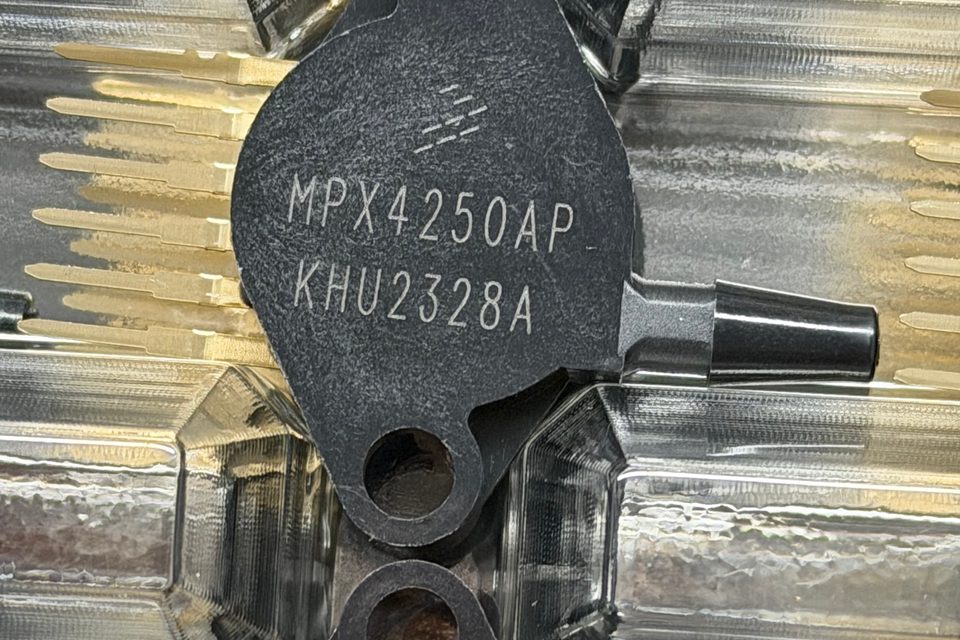
- Optoelectronics, sensors, and display drivers
Kelian Components focuses on components that remain in their original manufacturer packaging. Parts that have been exposed to uncontrolled environments or removed from sealed moisture barrier bags require additional assessment before they can be considered for recovery.
How the inventory review process works
A straightforward evaluation helps both sides understand exactly what is on the table. The process generally follows these steps:
- You provide a list of excess parts, ideally including manufacturer part numbers, quantities, date codes, and lot codes.
- Our team cross-references the data against current market demand and checks for any known obsolescence notices or manufacturer discontinuations.
- We assess the physical condition based on the information provided, paying close attention to packaging integrity and shelf life.
- A formal evaluation is shared with your procurement or inventory management team outlining which items are viable for recovery.
Why date codes and packaging actually matter
In the secondary market, traceability and condition dictate everything. Components sitting in original, unopened reels, tubes, or trays with verifiable date codes are far easier to place than loose parts. Buyers in the open market need confidence that the solderability hasn't degraded and that the parts haven't absorbed moisture. When you prepare your excess inventory list, noting whether the factory seals are intact significantly speeds up the review.
Moving dead stock without disrupting your operations
Clearing out excess electronic component inventory shouldn't create extra work for your warehouse staff. Once an agreement is reached, logistics are coordinated to match your shipping schedules. Whether you are dealing with a few boxes of specialized ASICs or pallets of standard passives, the goal is to transition the material efficiently so your facility can focus on active production needs.