
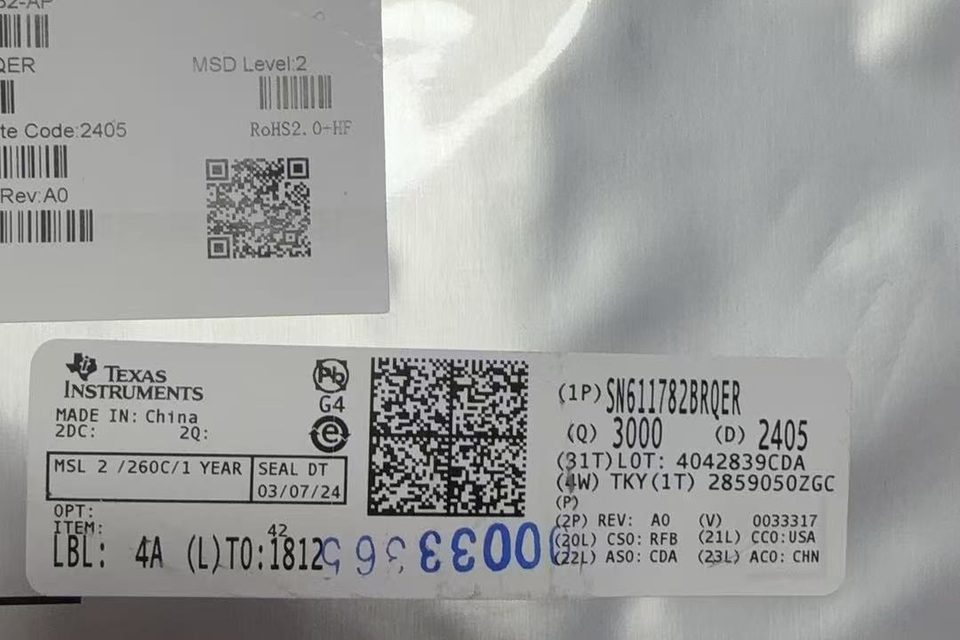
What Counts as Excess Electronic Component Inventory
Excess electronic components are parts that remain in storage after a production run ends, a design changes, or an order is canceled. These typically include integrated circuits, microcontrollers, passive components like resistors and capacitors, connectors, diodes, transistors, and discrete semiconductors. If they are sitting in your warehouse taking up space and tying up capital, they fall into this category.
Why Holding Onto Surplus Parts Rarely Pays Off
Electronic components have a practical shelf life. Moisture sensitivity levels (MSL), oxidation on leads, and manufacturer date codes all affect whether a part can still be used in modern assembly lines. The longer surplus inventory sits, the higher the risk that it will eventually need to be scrapped at zero return. Converting these assets back into working capital is usually more practical than paying for long-term warehousing.
How We Evaluate Your Leftover Stock
When you submit a list of excess electronic components to Kelian Components, our team reviews several key factors to provide an accurate assessment:
- Part Numbers and Manufacturers: We check current market demand for the specific devices listed.
- Date Codes: Newer date codes generally hold more value, though older parts may still be sought after for legacy equipment maintenance.
- Packaging Condition: Original factory packaging, such as unopened reels, tubes, or trays with intact moisture barrier bags, is preferred over loose or repackaged items.
- Quantities: Full production lots are easier to process, but we also review partial quantities depending on the part type.
Preparing Your Inventory List for Review
To speed up the evaluation process, providing clear and organized data helps significantly. A standard spreadsheet or bill of materials (BOM) format works best. Please include the following details for each line item:
- Full manufacturer part number (MPN)
- Manufacturer name
- Total quantity available
- Date code (if known)
- Packaging type (reel, tray, tube, bulk)
- Current storage location and environmental conditions
Handling Logistics and Quality Checks
Once an agreement is reached based on the initial assessment, the physical transfer of goods begins. Proper handling during transit is critical to prevent damage to sensitive components. Electrostatic discharge (ESD) precautions must be maintained, and moisture-sensitive devices should remain sealed until inspected. Upon receipt, the inventory undergoes a verification process to ensure the physical goods match the submitted documentation before final processing.